
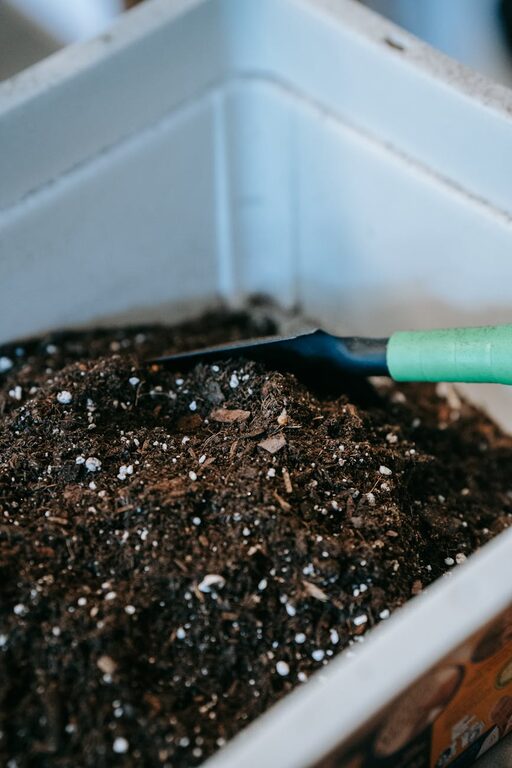
Composting at home is a fantastic way to reduce waste, enrich your garden soil, and contribute positively to the environment. If you’re new to composting, getting started may seem intimidating, but with the right guidance, it’s a rewarding and straightforward process. This article will walk you through beginner-friendly tips to set up your home compost and maintain it successfully.
What is Composting?
Composting is a natural process where organic materials like kitchen scraps and yard waste break down into rich, dark soil called humus. This nutrient-packed material can improve soil structure, help retain moisture, and provide essential nutrients to your plants.
Benefits of Composting at Home
– Reduces landfill waste: Composting cuts down on how much trash you produce.
– Saves money: Less need for chemical fertilizers and soil conditioners.
– Improves soil health: Enhances plant growth by enriching soil nutrients.
– Promotes sustainability: Supports a circular approach to waste management.
Getting Started with Composting
Choose the Right Compost Bin
Selecting the appropriate container is your first step. You have several options:
– Open pile: Simple but can attract pests.
– Closed bin: Keeps odors and pests in check.
– Tumbler: Allows easy turning and faster composting.
For beginners, a closed bin or tumbler is often more manageable.
Find a Suitable Location
– Place your compost bin in a well-drained, shaded spot.
– Avoid direct sunlight to prevent drying out.
– Keep it accessible to encourage regular use.
What to Compost: Materials to Include and Avoid
Browns (Carbon-Rich Materials)
These materials add carbon and help balance moisture.
– Dry leaves
– Straw or hay
– Cardboard pieces
– Shredded newspaper
Greens (Nitrogen-Rich Materials)
These provide nitrogen, essential for microbial activity.
– Fruit and vegetable scraps
– Coffee grounds and filters
– Tea bags (without staples)
– Fresh grass clippings
Avoid Composting These
– Meat, dairy, oils (attract pests and cause odors)
– Diseased plants or weeds with seeds
– Pet waste (can spread pathogens)
How to Build Your Compost Pile
- **Start with a layer of browns** at the bottom (around 4–6 inches) to promote airflow.
- **Add greens** on top of the browns.
- Alternate layers, maintaining roughly a 3:1 ratio of browns to greens.
- **Add water** if the pile feels dry—aim for moist, but not soggy.
- **Turn the pile** regularly (once a week) using a garden fork or compost aerator to speed up decomposition.
Troubleshooting Common Composting Issues
| Problem | Cause | Solution |
|———————–|——————————|————————————–|
| Bad odors | Too much greens or moisture | Add more browns, turn pile |
| Pests (rats, flies) | Food scraps exposed | Bury food scraps deeper, use closed bin |
| Slow decomposition | Lack of air or moisture | Turn pile more, add water and greens |
Tips for Success
– Chop or shred larger materials to speed breakdown.
– Keep a small compost bin in the kitchen for daily scraps.
– Use finished compost in potting mix, garden beds, or around trees.
– Be patient—composting can take from a few weeks to several months.
Conclusion
Starting composting at home is a simple way to reduce waste and create valuable natural fertilizer. By choosing the right bin, balancing green and brown materials, and maintaining your pile with regular turning and moisture control, anyone can turn household scraps into black gold for their garden. Begin your composting journey today and watch your plants thrive with the nutrient-rich soil you create!
